

































Black Friday jersey deals are the one weekend a year when jersey pricing really moves, and the people who come away happy are not the ones who found the biggest number on a banner. They are the ones who decided in advance what they were buying and in what order. This guide lays out how the discount bands actually work, which sizes disappear first, and how to spend the weekend so that you end up with something you will wear rather than something that was cheap.

Why jersey prices move on this one weekend
A basketball jersey is a seasonal item with a long tail. Current-season pieces carry the highest list price because demand is tied to what is happening on the court right now, and that demand cools as the season goes on. Retailers know this, so the deepest cuts of the year land just before the gifting season, when volume matters more than margin on any single piece. That is the whole mechanic: you are trading a wait for a lower price, and the retailer is trading margin for volume.
The practical consequence is that the discount is not evenly distributed. It clusters on the pieces the retailer most wants to move, which are usually previous-season colourways, slower players, and the sizes at the ends of the range. The banner number is an average across all of that, not a promise on the item in front of you.
What sells out first — and it is not the cheapest rack
The first thing to go is almost never the deepest discount. It is the intersection of a popular player and a common size, because that is where the most people are competing for the same garment. A steep cut on a size that few people wear can sit untouched for days, while a modest cut on a middle size in a popular colourway clears in hours.
That is why sorting a sale page by discount is the wrong first move. Sorting by discount optimises for the number on the tag. Sorting by whether you will actually wear the thing optimises for the outcome you want, and those two orderings are close to opposites during peak week.
The size curve: buy the size before you buy the player
Most people shop by player first and size second, which is exactly backwards during a sale. Player choice is a preference with many acceptable substitutes; size is a constraint with exactly one right answer. If you commit to the player first and your size is gone, the whole purchase collapses. Commit to the size first and you can move laterally between players without losing the weekend.
The mechanics are simple: adult ranges cluster in the middle, so the middle sizes are both the most stocked and the most contested. The ends of the range are less stocked and far less contested. If you sit at an end, you have more time than the banner implies. If you sit in the middle, you should be shopping early and decisively.
Discount bands: what each tier actually means
A percentage off tells you very little on its own. What matters is what the percentage is measured against, because list prices are not set consistently across categories. A modest cut on a piece with an honest list price can be a better buy than a steep cut on something that was priced high to begin with.
Use a rough test instead of the badge. Ask what you would have paid for the same jersey in a quiet month, and judge the deal against that number rather than against the struck-through figure on the page. If you cannot estimate the quiet-month price, you are not really evaluating a discount — you are reacting to one.
Fan version or replica: which one to grab on sale
Sale weekend is a bad time to discover that you bought the wrong build. The two common builds differ in how the lettering and numbers are applied and in how the body is cut, and the difference shows up most clearly after a season of wear rather than on day one. If you intend to wear the jersey regularly, the build matters more than the colourway; if it is going on a wall, the colourway carries more of the decision.
- Fan Version vs Replica: Which NBA Jersey Should You Buy — the build difference, explained before you commit
- How to Judge Jersey Quality Before You Buy — five checks that work on any listing
- Browse New Arrivals — what landed most recently, useful for gauging what is likely to be cut
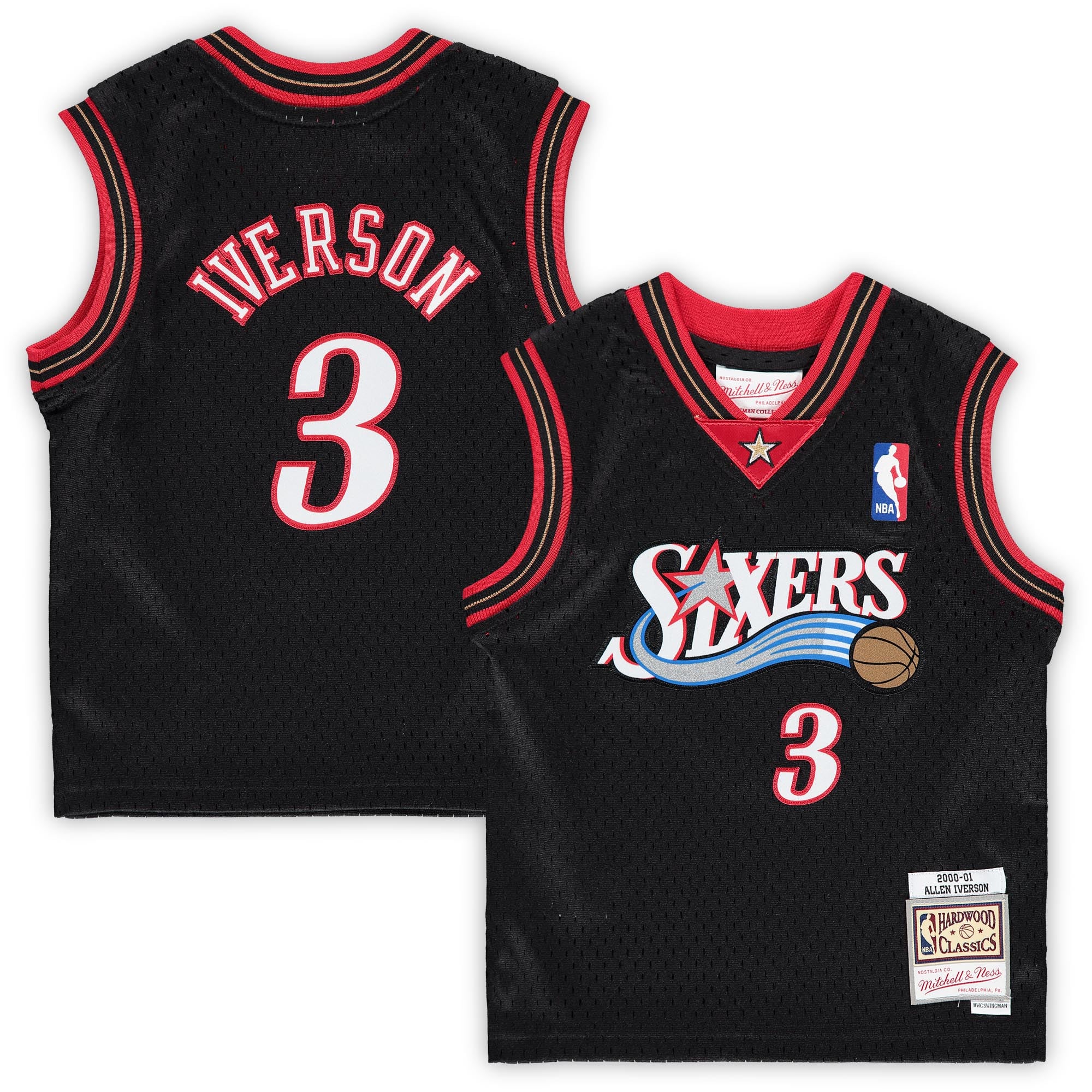
Throwback versus current season: where the deeper cuts sit
Retro pieces behave differently from current-season stock. They are not tied to this month's results, so demand is steadier and less spiky, but the stock is also thinner because it is produced in smaller runs. Put those together and you get a category where the discount can be deeper and the availability more fragile at the same time.
If you want a throwback, shop it early in the weekend and accept that the specific player may not be available. If you want a current-season piece, you have slightly more room, because the retailer is still holding inventory that will be discounted again later in the year.
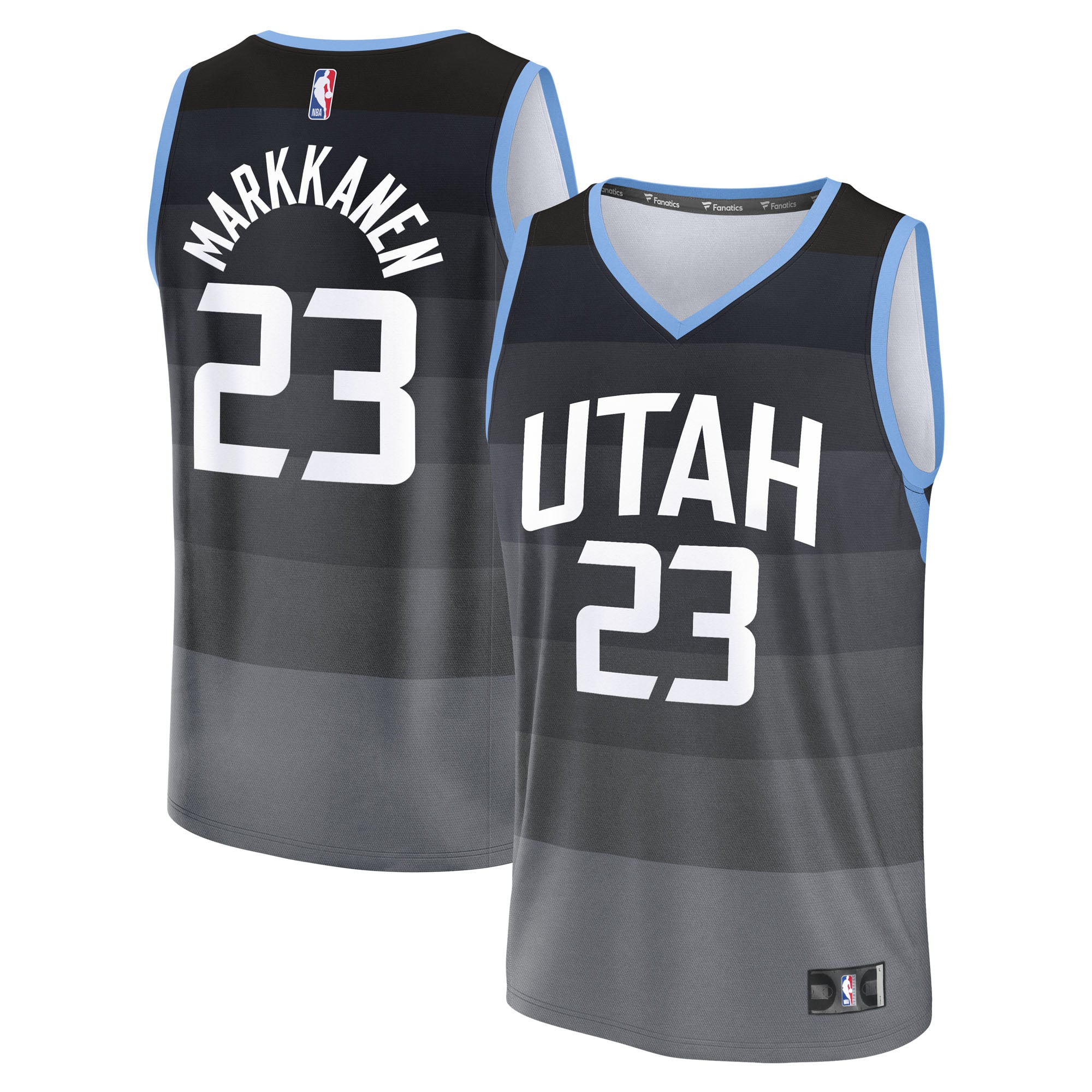
If you are buying a gift, decide these three things first
Gifting during peak week fails in a predictable way: the buyer picks something they like and hopes. Three decisions remove the hoping. First, decide whether the recipient will wear it or hang it, because that changes the build and the size logic. Second, decide the team before the player, because team loyalty is stabler than player preference. Third, decide the budget ceiling before you open the page, because the weekend is designed to move that number upward.
A two-pass plan for the weekend
Pass one is early in the week: buy the constrained items. That is anything with a hard date, anything personalised, and anything in your size that you would regret missing. Pass two is later in the weekend: buy the flexible items, the sizes at the ends of the range, and anything you were only mildly interested in. Running it in this order means the things you cannot replace are secured before you start spending on things you can.
One more rule that saves more money than any coupon: do not refresh. Restocks during peak week appear without notice and clear quickly, and the people who catch them are the ones who checked at a sensible moment rather than the ones who watched the page for six hours. Set a couple of times to look and leave it at that.
- Popular sizes move first: decide chest measurement ahead of time.
- Fan builds get the deepest markdowns because they are made to be worn.
- A discount on the wrong build is still the wrong build.
NBA Black Friday Jersey Deals: Frequently Asked Questions
Most jersey retailers open their sale window in the days before the Friday itself rather than at midnight on the day. Practically, that means the useful window is the Tuesday through Sunday stretch, not a single 24 hours. If a specific player or size matters to you, checking on the Tuesday evening is worth more than setting an alarm for Friday morning.
Rarely. The deepest cuts usually sit on the sizes that sell slowest, which are typically the ends of the adult range, while the middle sizes carry a shallower cut because they were never going to sit unsold. If you fall at the ends of the range, the sale is better for you than it looks on the banner.
Only if what you want is breadth rather than a specific item. Black Friday is when the widest range is on the table at once; Cyber Monday tends to be narrower but occasionally sharper on the pieces that came back into stock. If there is one particular jersey you want, take it when you see it.
Sometimes, but not reliably. Restocks during peak week are driven by returns and by inventory that was held back, and neither follows a published schedule. Treat a restock as a bonus rather than a plan, and buy the version you can wear if the one you wanted never reappears.
Yes, but build in extra time. Personalised orders go through a separate production step, so they do not move through the same queue as ready-to-wear pieces. If the jersey is a gift with a date attached, ordering the custom version early in the week is the safer choice.
Looking past the deals above for a wider set of markdowns and more colorways to pick from? Browse Black Friday NBA jersey sale picks for extra price cuts, fresh cheap NBA jerseys and a bigger lineup to compare.